
Home Lift Cost in India: What Affects the Price
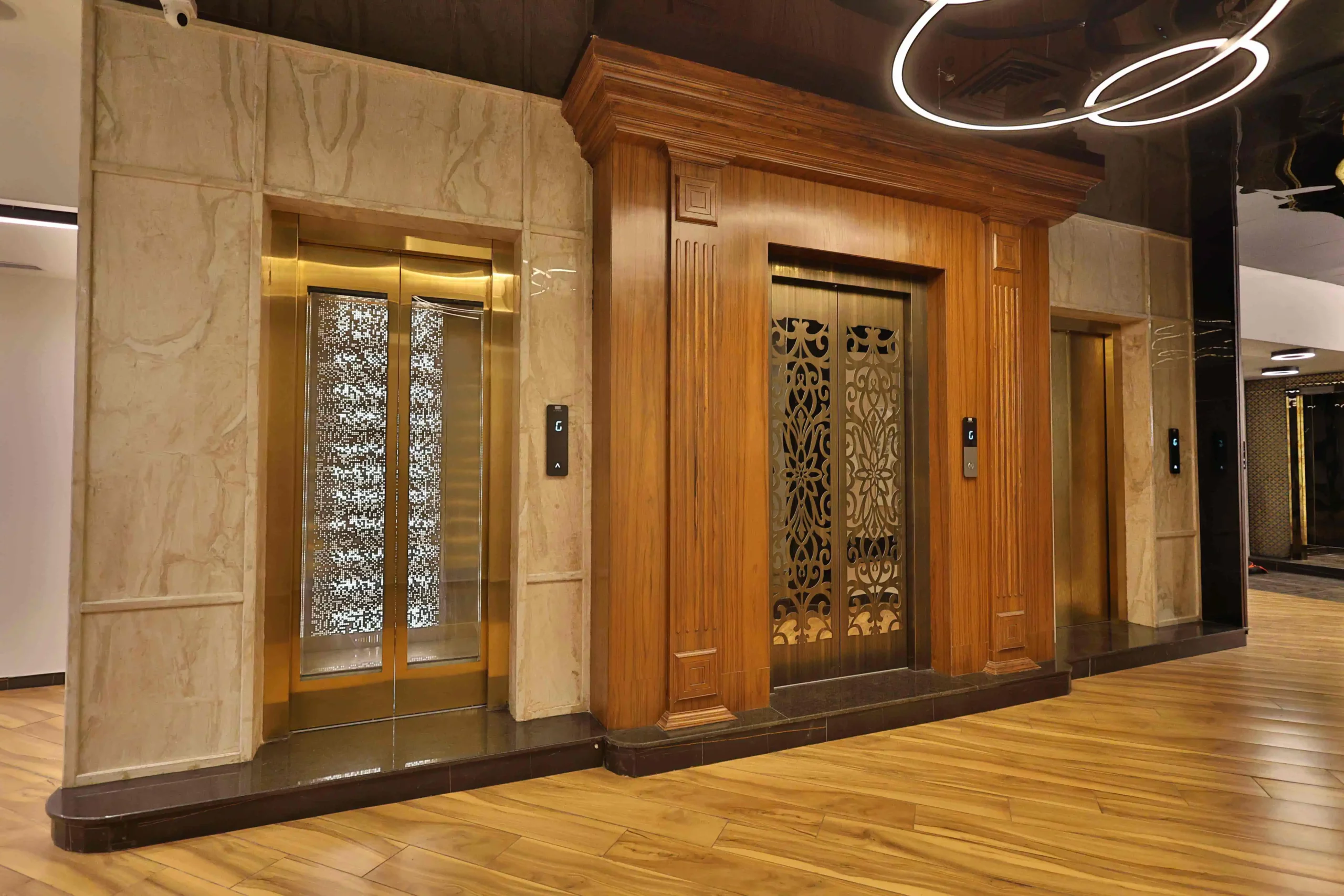
Planning a home elevator is a multi-factor decision. Rather than a single “sticker price,” the total cost reflects technology, site conditions, safety/performance targets, and the services required during and after installation. Below, we outline the main elements that influence budget so you can define the right scope, compare options productively, and request a tailored quotation.
1) Lift technology
Hydraulic
Favoured for retrofits and buildings with limited pit/headroom. Offers smooth rides and straightforward rescue operation. Pairs well with premium cabin finishes and compact shafts.
Traction / MRL
Efficient for frequent use and taller rises; machine-room-less (MRL) variants reduce footprint. Excellent levelling and ride characteristics.
Pneumatic and other systems
Niche options exist for specific architectural constraints. Selection depends on design intent and user expectations.
2) Stops, rise, and capacity
The number of floors, travel height, and rated capacity directly influence mechanical sizing, structural loads, door systems, control logic, and installation effort.
3) Cabin design and finishes
From minimalist laminate to premium metal, glass, and lighting—interior finishes, flooring, and control panels shape both aesthetics and budget. Handrails, mirrors, and display options also contribute.
4) Shaft and civil work
Whether you have a masonry/steel shaft ready or need a new structure, civil scope (cut-outs, beams, pit, headroom provision) affects cost and timeline. Coordination with architects/contractors is key.
5) Doors and entrances
Automatic doors, width/height, fire-rating where applicable, and landing configurations vary by site. Wider openings support accessibility and ease of movement.
6) Controls, safety, and comfort
Controller specifications, ride-quality targets, rescue systems (e.g., ARD), and safety devices impact both component selection and commissioning time.
7) Installation and logistics
Site readiness, access, material movement, and installation sequencing shape effort and duration. Urban vs hilly terrain can require different logistics planning.
8) Maintenance (AMC) and lifecycle
A preventive maintenance plan helps preserve safety, levelling accuracy, and comfort. Lifecycle costs depend on technology choice, usage intensity, environment, and service coverage.
Next steps
Because each home and specification is unique, project figures vary. We recommend sharing your requirements so our team can propose the right configuration. Explore our Residential Lifts, Hydraulic Lifts, and Maintenance services, and see how we serve Delhi NCR, Mumbai, and Pune. When you’re ready, contact us to discuss a tailored solution.
FAQs
Do home lift prices vary by technology?
Yes. Hydraulic, traction/MRL, and pneumatic systems have different component sets, site requirements, and service profiles, so total project costs vary accordingly.
Can I get an approximate price?
Exact figures depend on your site and specifications. The best path is to share your requirements so we can provide a tailored, obligation-free quote.
What ongoing costs should I plan for?
In addition to electricity consumption, plan for preventive maintenance (AMC) to preserve ride quality, safety, and uptime throughout the lift’s life.